
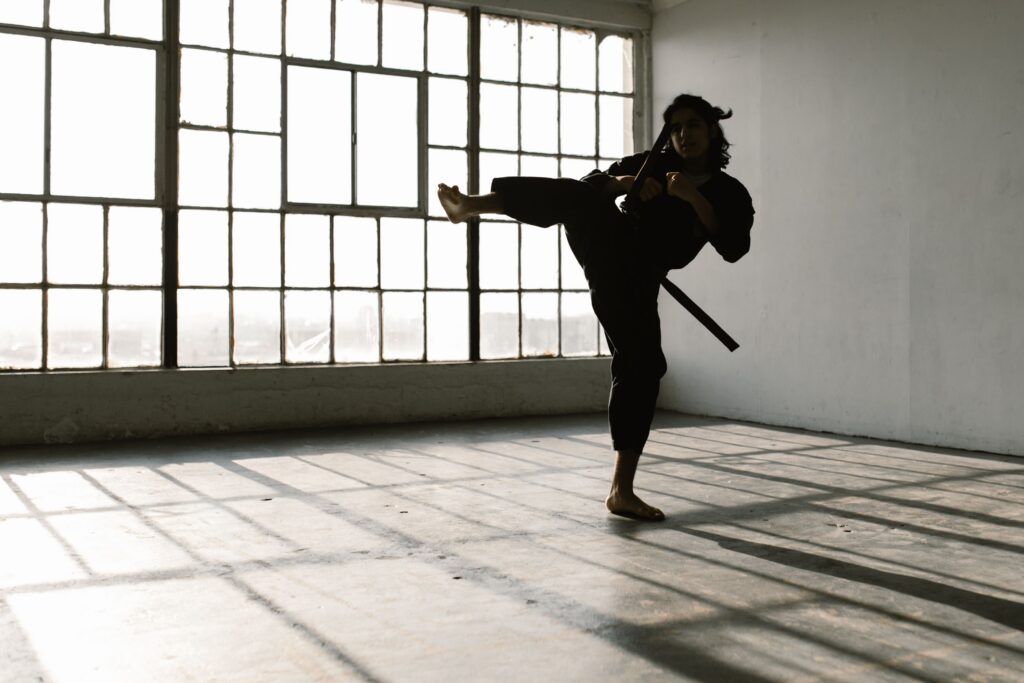
Teenagers often have packed days. Schoolwork takes up much of their time, while family plans, hobbies, friendships, and other responsibilities add even more to their schedules. Finding an activity that fits into this routine does not have to mean adding more stress to their week. Kuk Sool gives teens a chance to stay active while creating time to focus and work toward personal goals. The structured nature of training also makes it easier to fit into a regular routine without taking over a teen’s schedule.
So, how does Kuk Sool fit into an already busy week? Keep reading to see how training supports an active lifestyle while helping teens develop habits they can use in everyday life.
Short Training Sessions Fit Into Busy Schedules
Finding time for an activity often starts with choosing something that fits naturally into the week. Busy teens may not have hours to spare after school, so a focused training session offers a practical way to stay active without taking up an entire evening. Kuk Sool gives them a set time to stay active and then return to their other responsibilities. Having a regular class schedule also makes it easier to plan homework and other commitments around training.
As the schedule becomes familiar, attending martial arts classes starts to feel like a normal part of the week rather than another task to manage. This routine gives teens a consistent activity to plan around without requiring them to completely rearrange their lives. It also provides a simple way to make physical activity part of an already demanding schedule.
Kuk Sool Keeps Physical Activity Interesting
A regular schedule only works when teens have a reason to stay interested. Kuk Sool keeps training engaging by introducing new movements and techniques as students progress. Each class gives them something to practice, while future lessons offer new skills to work toward. This approach helps prevent training from feeling like the same workout repeated every week. Teens also get to see their skills improve as they continue practicing. A movement that once felt difficult may become easier with time, which gives students a reason to keep working. That sense of progress may hold their attention even during busy periods when finding motivation feels harder.
Training Helps Teens Focus on One Task at a Time
Staying interested in an activity becomes easier when teens learn how to give it their full attention. That focus matters because teenagers often move quickly from one responsibility to another throughout the day. They may spend hours at school before switching to homework or other activities.
Kuk Sool gives teens a chance to slow down and focus on one task at a time. Learning a new technique requires patience, especially when the movement feels unfamiliar. During class, students learn to listen to instructions and follow each step while staying aware of their movements instead of rushing through the exercise.
Regular practice helps teens become more comfortable staying focused when something takes time to master. They learn to keep their attention on the task rather than becoming frustrated or distracted. This habit may also help them approach challenging schoolwork with greater patience and give their full attention to what they are working on.
A Regular Routine Makes It Easier to Stay Consistent
The focus students develop during training also connects with another important part of managing a busy schedule: consistency. Teenagers often deal with changing school demands, upcoming exams, projects, and unexpected plans. Even with those changes, a regular Kuk Sool class gives them one familiar part of their week. They learn to check their schedule and make room for training alongside their other responsibilities. This process encourages them to plan ahead instead of trying to fit everything in at the last minute.
Regular attendance also gives teens a chance to see how consistent effort leads to improvement. Missing one class may not seem significant, but staying committed over time shows teens how small choices contribute to larger goals. That lesson becomes especially valuable when they start working toward bigger achievements.
Training Provides a Break From Screens and Schoolwork
Teens also benefit from having time away from the demands of their usual day. After spending hours focused on schoolwork or screens, Kuk Sool gives them a chance to step away and put their attention toward physical activity. Focusing on each movement creates a change of pace that may feel refreshing after a long day. It also gives their minds a break from school-related tasks, allowing them to return to homework or other responsibilities feeling more refreshed. Having this space in their routine makes training a valuable break rather than another obligation to fit into a busy schedule.
Kuk Sool Builds Discipline Through Regular Practice
Eventually, discipline becomes a natural part of training as teens learn to follow a routine and stay committed to their practice. Kuk Sool gives them a structured environment where they are expected to stay focused and put steady effort into each class. Over time, this regular practice helps them understand that discipline comes from continuing to put in the effort, even when they do not feel motivated.
Building this habit also strengthens their ability to stay committed to something over time. Rather than relying on motivation alone, teens learn to follow through with what they have started and take responsibility for their progress. These habits may carry into other areas of their lives where consistency and self-discipline are important.
The Activity Gives Teens Room to Set Personal Goals
Kuk Sool also gives students room to work toward personal goals instead of measuring every achievement against someone else. This approach helps them recognize their own progress and stay motivated during demanding weeks. Having something specific to work toward also gives their training direction. Even when school becomes stressful, a personal training goal gives teens another area where they focus their effort. That balance may help them maintain a positive sense of progress during periods when other parts of life feel demanding.
Give Your Teen a Positive Way to Stay Active
A full teenage schedule leaves little room for activities that feel like another obligation. The right training experience should give teens something meaningful to look forward to while fitting comfortably into the rhythm of their week. Kuk Sool offers that opportunity through structured training that meets students where they are and gives them room to grow at their own pace.
Sah Do Mu Sul welcomes teens who want to try something different and discover what they enjoy through training. Contact our team to learn more about Kuk Sool and find out how your teen can get started.
Frequently Asked Questions
How often should a busy teen attend Kuk Sool classes?
A busy teen should attend as often as their schedule allows without feeling overwhelmed. The right frequency depends on their schoolwork, family commitments, or other activities. A consistent schedule is more important than trying to fit in more classes than they can manage.
Does Kuk Sool take up too much time after school?
No, Kuk Sool does not need to take up a large part of a teen’s week. Classes provide focused training within a set period, leaving time for homework and rest.
What if my teen misses a Kuk Sool class because of schoolwork?
Missing an occasional class is okay. Teens should still prioritize schoolwork and return to training when their schedule allows. One missed class does not erase the progress they have already made.
How does Kuk Sool help teens manage a busy routine?
Kuk Sool gives teens a regular activity to plan around. Following a consistent training schedule helps them practice managing their time while keeping up with school and other responsibilities.
Is Kuk Sool suitable for teens who already have several activities?
Yes, if they have enough time to attend classes without sacrificing rest or other important commitments. A manageable schedule allows them to enjoy training without adding unnecessary pressure to their routine.
