
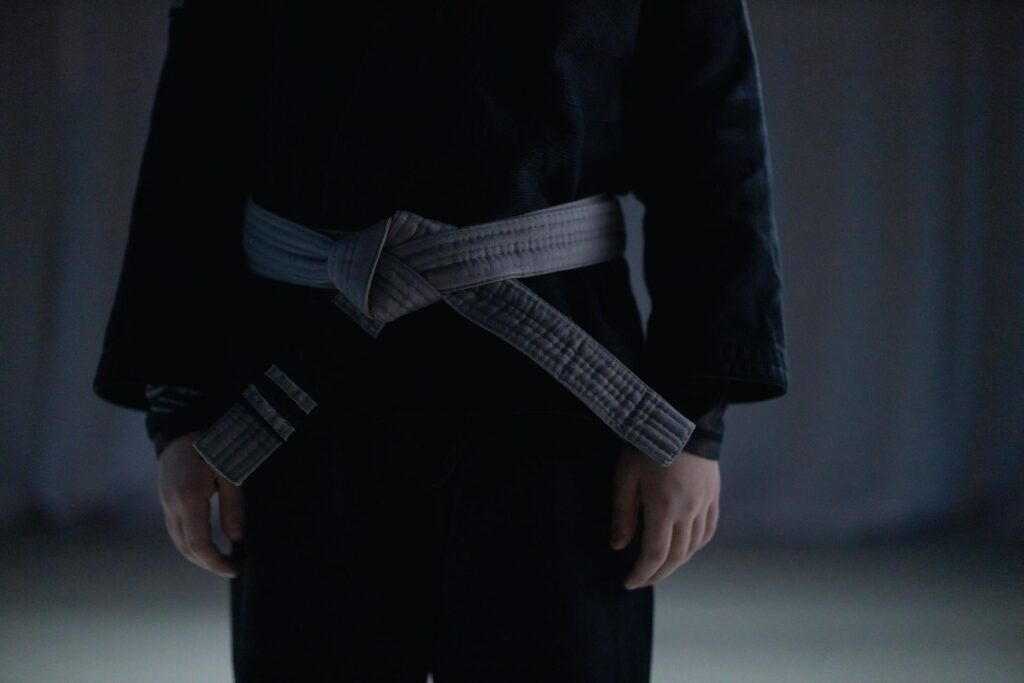
The preschool years are often seen as the perfect window for introducing structure, since young children are naturally curious and eager to copy what they see around them. A martial arts(opens in new tab) class built for this age group frames that structure as playful and safe, wrapped in the kind of nurturing feel that puts young children instantly at ease. It is easy to see why parents are drawn to an activity like this, since it blends movement and manners with a touch of mindfulness, all inside one welcoming setting.
Play and Structure Build Good Habits
Young children learn best when a lesson feels like a game rather than a chore. A well-run preschool class takes that idea seriously, weaving listening skills and simple direction-following into activities that already feel fun to a four- or five-year-old. Because the structure is disguised as play, kids rarely notice they are practicing patience at all, and that is exactly the point
Games That Teach Kids to Listen
Simple games such as freeze poses or copy-the-instructor drills ask children to pay attention to a voice and respond with their whole body. This kind of practice builds listening skills in a way that feels like play rather than a demand, so children stay engaged instead of tuning out. Because the games change from class to class, the lesson stays fresh instead of repetitive.
Routines Children Can Count On
A class that follows a familiar order, from greeting the instructor to closing with a shared bow, gives children something steady to hold on to. Bowing before class and waiting patiently for a turn are small, repeated moments that quietly teach patience without ever feeling like a lecture.
Lining up with classmates before an activity adds one more gentle layer of practice, since it asks a child to hold still for just a moment before their turn comes around.
Patience and Respect in Everyday Moments
Respect is one of those values that sticks best when it is felt rather than explained, and preschool classes give children plenty of small chances to feel it in action.
Respect Preschoolers Feel Proud Of
Many young students light up when they get to answer an instructor with a cheerful “Yes, sir” or “Yes, ma’am.” What might look like a small phrase to an adult often feels like a badge of honor to a preschooler.
Kindness in the Classroom
Beyond following directions, class time gives children practice at sharing space and cheering for a classmate who just tried something new. This kind of everyday kindness is not something instructors demand from students. Instead, it is modeled through warmth and encouragement, so children pick it up naturally by watching how their instructor treats every member of the class.
Over time, that steady example tends to shape how a child treats classmates on their own, without ever needing to be told.
Focus Grows One Step at a Time
Asking a preschooler to sit still and concentrate for a long stretch rarely works, so a good program does not try. Instead, focus is built one small piece at a time, matched to what a young child can realistically manage.
Short Activities Build Long Attention
Short bursts of activity, each with a clear beginning and end, help a child practice staying on task without feeling overwhelmed. A quick balance challenge or a short pattern of movements gives a child just enough to focus on before moving to something new.
These brief moments of concentration add up, gently stretching a preschooler’s ability to focus a little longer with each class they attend.
Movement Supports a Calm Mind
Physical coordination and mental focus tend to grow together. Balancing on one foot or following a simple sequence of movements asks the body and mind to work as a team, which can leave children feeling both energized and calm once class winds down. A class that mixes lively movement with a few quiet, focused moments, such as a burst of jumping followed by a slow, steady stretch, gives children practice at both ends of that balance.
Small Wins Build Real Confidence
Preschoolers respond well to encouragement, and a thoughtful program leans into that rather than treating discipline as something serious or stern. Every small success, whether it is a well-timed bow or a moment of good listening, becomes a chance to build a child’s confidence one step at a time.
Praise as a Motivator
A cheerful word from an instructor or a round of applause from classmates can mean the world to a young child.
Progress Over Perfection
Confidence tends to grow from noticing improvement rather than achieving a flawless result. Parents can support this at home by celebrating effort and small steps forward instead of expecting a perfect outcome right away. A child who feels noticed for trying is far more likely to keep trying, and that habit of effort is really the heart of early discipline.
The Parent’s Role at Home
Discipline learned in class tends to stick when it gets a little support outside of it, and parents often play a bigger part in that process than they realize.
Simple Habits at Home
Small, playful echoes of class routines can reinforce what a child is learning without turning home life into another lesson. Inviting a child to bow before dinner or take a calm breath before a task borrows the same gentle structure from class and brings it into a familiar setting.
These moments work best when they stay light and fun rather than formal, since the goal is simply to echo the lesson, not repeat it word for word.
What to Look for in a Program
Families exploring a preschool martial arts program often look for gentle instruction and a safe, welcoming space where a sense of community can grow among families and instructors.
A program built around encouragement rather than pressure tends to be the best fit for a young child who is just starting out, since it gives them room to grow at their own pace.
A Gentle Start That Lasts
Preschool martial arts is not about toughness. It is about giving young children a joyful way to practice focus and respect while building the kind of quiet confidence that comes from trying something new. If this sounds like a good fit for your family, reach out(opens in new tab) to our team to schedule a trial class or stop by for a visit.
Frequently Asked Questions
Is my child too young to start a martial arts class?
Most preschool programs are designed specifically for young children, so classes are built around their attention span and energy level rather than expecting them to keep up with older students.
Does my child need any experience before joining?
No prior experience is needed.
What should my child wear to class?
Comfortable clothing that allows easy movement is usually enough for a first visit, and instructors are glad to walk families through any additional attire once they decide to continue with regular classes.
What if my child feels shy at first?
Feeling a little shy in a new setting is common for preschoolers. Instructors are used to gently welcoming hesitant students and helping them warm up to the group at their own pace, often within just a class or two.
